📍 Houston, TX [email protected] 🕒 Open 24/7 for Emergencies
Sewer Infrastructure Care

Main Sewer Line Cleaning in Houston

When multiple plumbing fixtures back up simultaneously or toilets gurgle during laundry cycles, a blockage in your main sewer line is typically the cause. The main sewer lateral carries wastewater from all home drains to the municipal system. Houston Drain Pros provides specialized main sewer line cleaning across Houston, using cleanout access points, heavy-duty augers, and hydro jetting to restore flow. Contact us to confirm service availability.

Licensed & Insured Plumbing Same-Day Scheduling May Be Available 24/7 Emergency Service
Diagnostic Separation

One Clogged Fixture or a Main Sewer-Line Blockage?

Understanding whether your plumbing issue is isolated to a single fixture or involves the main sewer lateral is essential for choosing the correct cleaning approach:

Single-Fixture Clog: An isolated clog affects only one drain—such as a single bathroom sink, a kitchen sink, or one toilet—while all other fixtures in the building drain normally. The blockage is located within the smaller 1.5-inch to 2-inch branch pipe serving that specific room and is cleared using localized fixture snaking.

Main Sewer Lateral Blockage: The main sewer line (typically 4 inches in diameter) carries combined wastewater from every sink, shower, washing machine, and toilet in the property out to the municipal connection. When the main line is obstructed, wastewater has nowhere to exit. It backs up into the lowest fixture openings on the ground floor—usually bathtubs, shower pans, or floor drains.

Because toilets connect directly to the main sewer line with large drain pipes, flushing a toilet during a main line blockage pushes a large volume of water into the system, causing immediate toilet gurgling or sewage overflows in adjacent bathtubs.
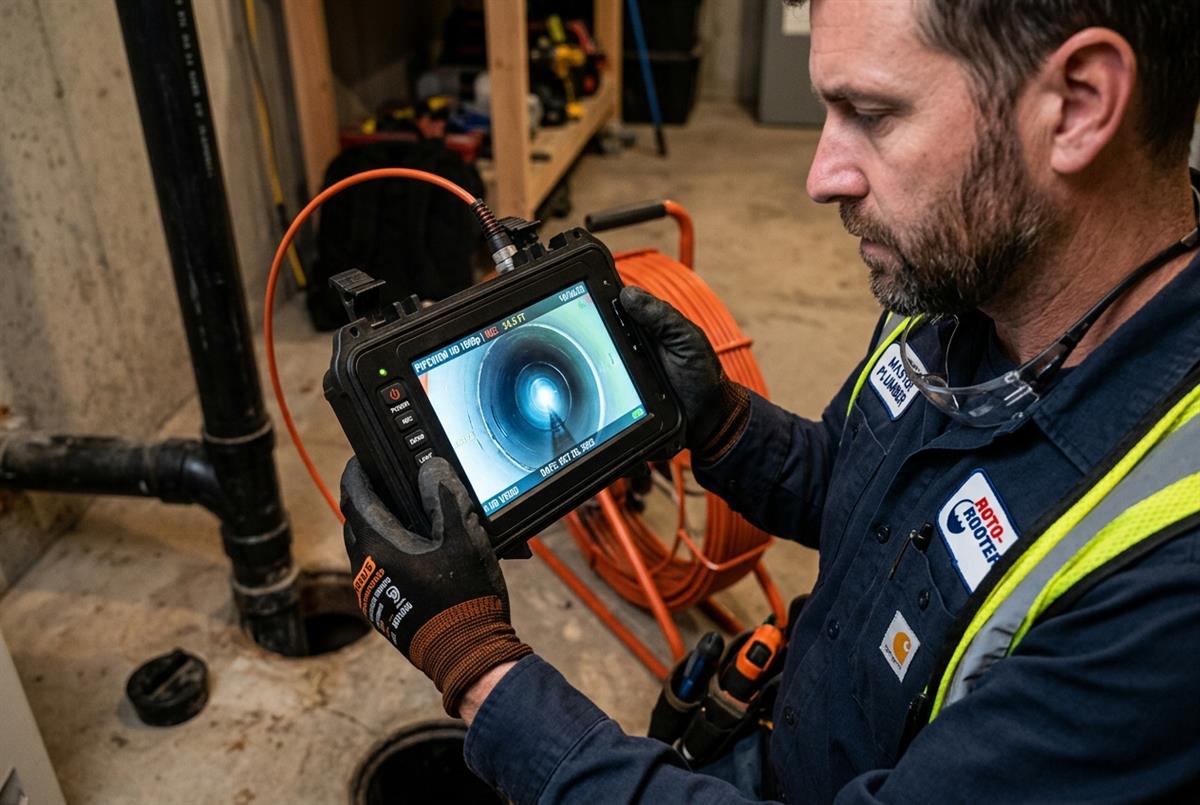
Sewer camera inspection technician examining interior pipe walls and blockage locations
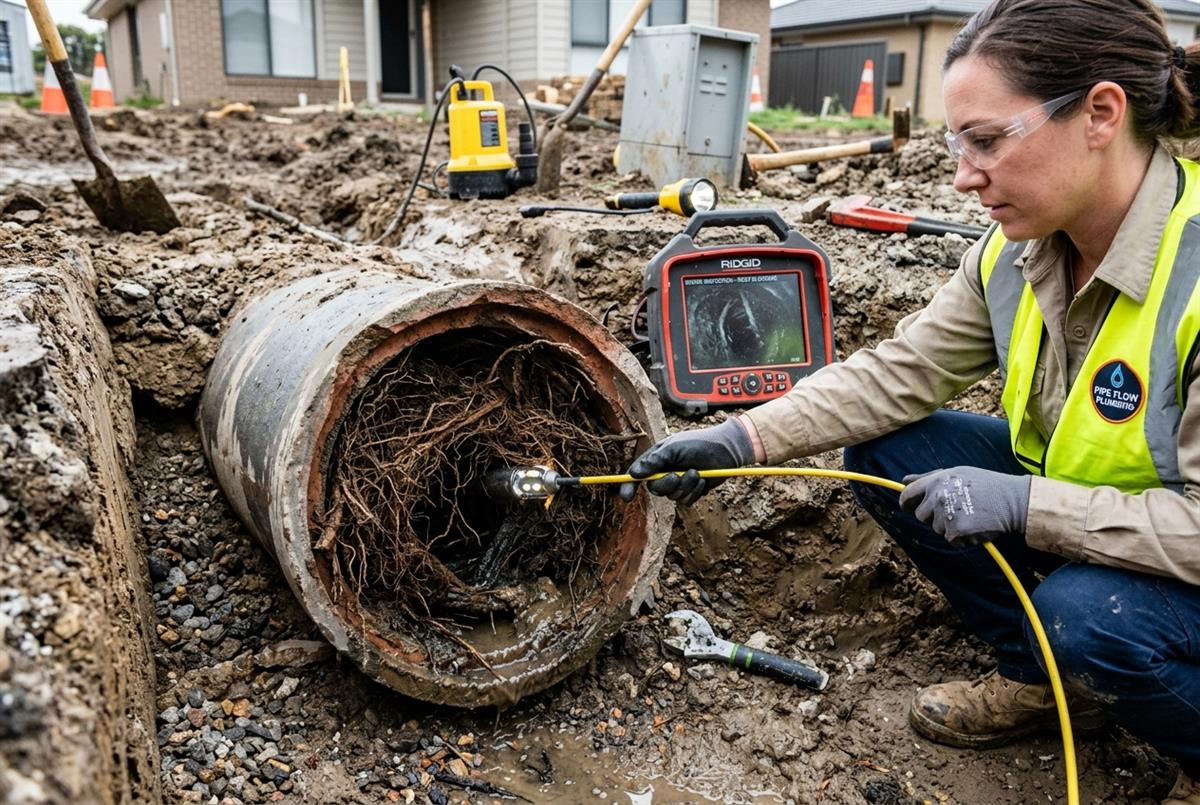
Tree root intrusion mass removed from underground sewer pipe joint
Symptom Checklist

Warning Signs of a Main-Line Problem

Recognizing symptoms of a main sewer lateral restriction early helps prevent indoor wastewater backup:

  • Multiple Fixtures Affected Simultaneously: Sinks, showers, and toilets across different bathrooms all drain sluggishly at the same time.
  • Wastewater Backup in Lowest Fixtures: Running the washing machine or kitchen sink causes standing water or gray sewage to rise in ground-floor shower pans or bathtubs. In acute situations, get help with an active sewer backup right away.
  • Toilet Gurgling: Flushing a toilet causes other toilets to gurgle, or water levels in toilet bowls rise and fall unexpectedly.
  • Wastewater Near Exterior Cleanout: Sewage or wet debris seeping out around your exterior cleanout cap indicates a downstream main lateral obstruction.
  • Recurring Blockages: Main sewer blockages that return weeks after localized snaking point toward root intrusion, grease and sludge caking, or an offset joint.
Obstruction Types

What Can Block a Main Sewer Line?

Main sewer lines collect waste from the entire property, making them vulnerable to several distinct obstruction types.

Tree Root Intrusion: Fine tree roots enter through unsealed joint cracks in clay or cast iron pipes. Inside the lateral, technicians use mechanical tools to remove tree roots from a sewer line.

Grease and Sludge Accumulation: Over years of kitchen sink discharge, fats and oils cool and solidify along the main pipe floor, creating waxy sludge that restricts pipe diameter.

Wipes & Foreign Objects: Wipes, paper towels, and non-biodegradable foreign objects do not dissolve in water. They catch on minor pipe rough spots or root fibers, building solid physical dams.

Pipe Belly & Offset Joint: Soil movement or heavy surface weight can cause joint offsets or create a pipe belly (sagging low spot) where standing water collects and traps heavy solids. Structural pipe damage differs from removable blockages and may require physical repair or trenchless lining.

Access Locations

Accessing the Sewer Line Through a Cleanout

Cleanout access points allow technicians to service main lateral lines safely from outside the home.

An exterior cleanout is a dedicated vertical pipe connected to your main lateral line, fitted with a threaded cap at ground level. Cleanouts are typically located in the yard near the building foundation wall.

Utilizing an exterior cleanout offers key advantages: it provides direct full-bore access for heavy cable machines and hydro jetting hoses, eliminates the need to pull toilets indoors, and prevents dirty wastewater equipment from entering your living space.

If a property lacks an accessible exterior cleanout, technicians may access the main line by pulling a ground-floor toilet or utilizing roof vent stacks, though installing an exterior cleanout is often recommended for long-term maintenance access.

Clearing Techniques

Main-Line Cleaning Methods

Technicians evaluate pipe material, access location, and blockage type to determine which clearing methods are required for a given property:

Heavy-Duty Auger & Drain Cable: Industrial sewer machines drive heavy steel cables equipped with expanding cutting heads or root-sawing blades down the main lateral. Cabling cuts through tree roots, punches through paper dams, and restores initial flow.

High-Pressure Hydro Jetting (Where Suitable): For main lines coated in heavy grease and sludge or mineral scale, technicians clean suitable pipe-wall buildup with hydro jetting by feeding high-pressure water streams through a self-propelling hose.

Sewer Camera Inspection: Technicians can locate recurring obstructions with a camera to assess pipe condition, verify blockage removal, or evaluate suspected structural defects like a pipe belly or offset joint.

Licensed Houston drain cleaning technician equipped with professional line clearing tools
Structural Limitations

When Cleaning Is Not Enough

Mechanical cleaning clears removable debris, but structural pipe failures require specialized rehabilitation.

Main line cabling and hydro jetting are designed to clear soft blockages, grease, scale, and root growth. However, cleaning cannot repair physical structural damage in underground pipes:

  • Collapsed Pipe: Crushed, broken, or severely deteriorated cast iron or clay pipes prevent cleaning cables from passing and require structural replacement.
  • Pipe Belly & Low Spot: Sagging pipe sections create standing pools where solids constantly settle, causing recurring backups even after cleaning.
  • Offset Joint: Misaligned pipe sections create permanent interior edges that catch paper and waste, requiring structural repair or pipe lining.

Sewer camera inspections provide visual evidence of structural pipe health. If you face active flooding, seek emergency drain help or request main sewer-line service today.

FAQ

Main Sewer-Line Cleaning FAQs

Answers to common questions about main sewer lateral cleaning and cleanouts.

One affected fixture usually indicates a local branch drain problem, while multiple fixtures backing up together across different rooms point to a main sewer line blockage. If flushing a toilet causes water to rise in a ground-floor tub, the main lateral is restricted.

Toilets and bathtubs connect to the same main sewer line. When the main line is blocked downstream, flushing the toilet forces wastewater to take the lowest path of least resistance, which is the bathtub drain.

Yes. Exterior cleanouts provide direct access to the main lateral, allowing technicians to clear the sewer line using heavy industrial equipment without bringing machinery inside your home.

Hydro jetting is effective for grease, sludge, and root scale in structurally sound pipes. However, it is not used on severely cracked, collapsed, or fragile pipes where high water pressure could cause further damage.

Yes. A sewer video camera visualizes pipe wall fractures, crushed sections, an offset joint, and root entry points, allowing technicians to evaluate structural pipe condition.

If a main line blockage returns quickly after clearing, a sewer camera inspection is recommended to check for recurring root entry, heavy grease caking, or underlying structural pipe damage.

📞 Call Now — (832) 520-2683