📍 Houston, TX [email protected] 🕒 Open 24/7 for Emergencies
High-Pressure Pipe Cleaning

Hydro Jetting Services in Houston, TX

Persistent grease scale, sludge, and heavy mineral buildup inside sewer lines require specialized high-pressure water cleaning to restore full pipe capacity. Unlike standard drain cabling, hydro jetting scours the complete interior pipe wall to prevent repeat blockages. Houston Drain Pros provides hydro jetting services across Houston for suitable residential and commercial drain systems. Contact us to confirm service availability.

Licensed & Insured Plumbing Same-Day Scheduling May Be Available 24/7 Emergency Service
Technical Mechanics

How Hydro Jetting Cleans Drain and Sewer Lines

Hydro jetting is a pipe scouring method that utilizes high-pressure water streams to clean interior surfaces of underground drainage pipes. Equipment consists of a high-pressure pump, a heavy-duty flexible jetter hose, and a specialized cleaning nozzle designed for specific pipe diameters.

During operation, the jetter hose enters through an accessible cleanout access port into the main sewer line. The cleaning nozzle directs a forward jet to penetrate solid obstructions, while rear-facing jets propel the hose forward along the pipe bore. As the hose advances and is retrieved, 360-degree high-pressure water streams scour grease scale, sludge, soap residue, and mineral buildup off interior pipe walls, washing loosened root debris and sludge downstream toward municipal connections.

Hydro jetting cleans heavy pipe-wall buildup that mechanical cables may only punch a hole through, though suitability depends on pipe condition and cleanout access.
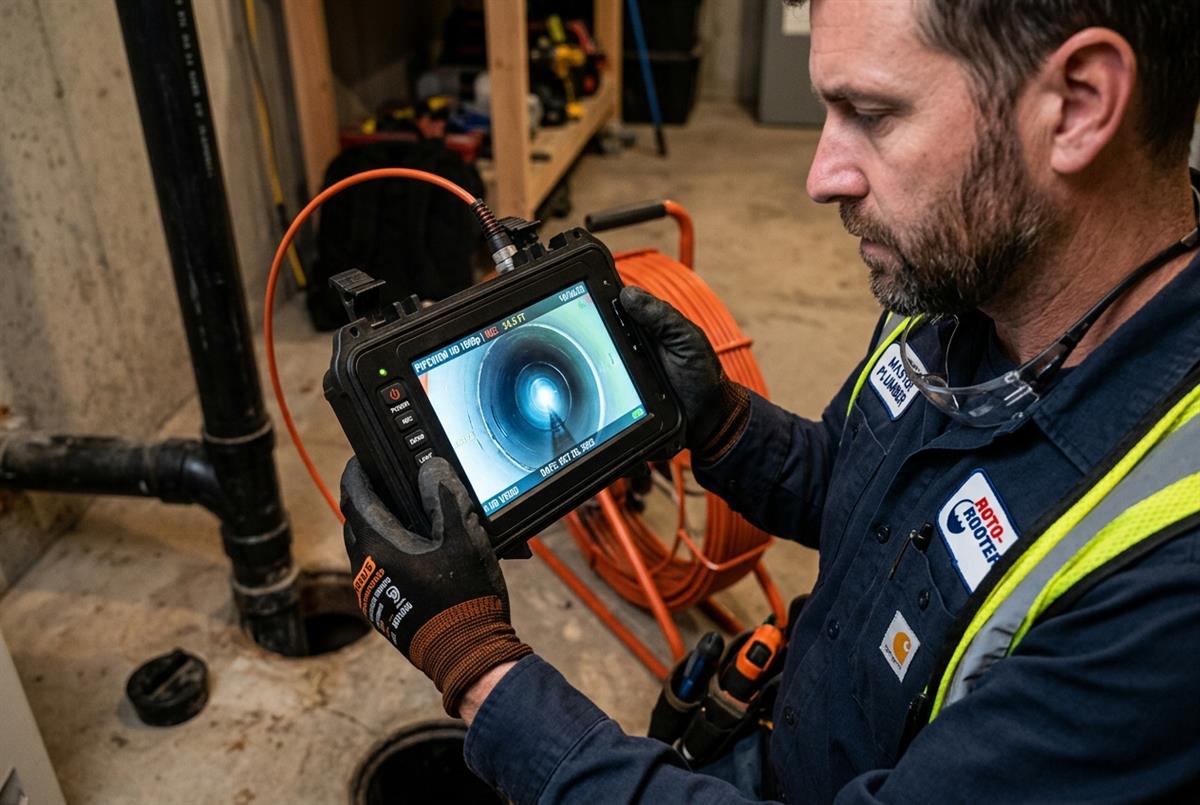
Sewer camera inspection technician examining interior pipe walls and blockage locations
Suitable Applications

When Hydro Jetting May Be Appropriate

Hydro jetting is evaluated for chronic or heavy pipe-wall restrictions where standard drain cabling leaves residual buildup.

  • Recurring Grease Scale: Main sewer lines or kitchen lines suffering from recurring kitchen grease buildup.
  • Heavy Sludge and Soap Residue: Pipe floors coated in thick organic sludge and soap residue that slows water velocity.
  • Root Debris & Fine Fibers: Flushing residual root debris after initial mechanical root cutting. View our mechanical root-removal methods.
  • Commercial Kitchen Drain Lines: High-volume restaurant kitchen drains handling daily cooking oils and starches.
  • Pre-Lining Pipe Preparation: Scouring scale and mineral buildup off pipe interiors prior to trenchless epoxy pipe lining.

Technicians inspect pipe access and material to determine whether hydro jetting is appropriate for your property.

Method Comparison

Hydro Jetting Versus Drain Snaking

Comparing mechanical drain cabling and high-pressure water jetting across key service criteria.

FeatureMechanical Drain Cabling (Snaking)High-Pressure Hydro Jetting
Primary ActionBores a hole through solid obstructions with rotating steel cablesScours 360 degrees of pipe walls using high-pressure water streams
Best Blockage TypePaper dams, localized hair clogs, localized root bundlesHeavy grease scale, sludge coats, heavy mineral buildup
Pipe Wall EffectClears central flow path; leaves soft grease on pipe wallsWashes away wall buildup and restores full pipe diameter
Access RequirementsCan enter through small fixture traps or cleanout portsRequires an accessible exterior sewer cleanout access port
Pipe Condition LimitSuitable for most standard residential plumbing linesRequires structurally sound pipes to withstand water pressure
Safety & Integrity

Why Pipe Condition Must Be Considered

While hydro jetting is an effective clearing tool for heavy buildup, high-pressure water must be used judiciously based on pipe age, material, and structural pipe condition:

Fragile or Corroded Pipes: Older cast iron lines suffering from severe bottom rot or thin clay pipes with pre-existing structural cracks may not withstand high-pressure jetting. Pressurized water could worsen existing wall fractures or force soil into damaged joints.

Role of Camera Evaluation: When working on older sewer lines or lines suspected of structural decay, technicians can check pipe condition with a sewer camera first to verify that pipe walls are structurally intact before applying high-pressure water.

Licensed Houston drain cleaning technician equipped with professional line clearing tools
Residential Applications

Residential Uses for Hydro Jetting

Appropriate residential situations where high-pressure jetting provides thorough pipe cleaning.

For residential homes, review our full main sewer-line cleaning options. Hydro jetting is evaluated as a corrective service for chronic, heavy pipe restrictions rather than a routine requirement for simple clogs:

  • Chronic Main-Line Sludge: Main sewer lines that experience recurring sluggish flow due to accumulated grease scale and organic sludge.
  • Long Horizontal Runs: Residential lateral lines with long flat runs where wastewater velocity is low, causing heavy solids to settle.
  • Clearing Root Debris: Flushing residual fine root fibers following mechanical root cutting in sound clay or PVC lines. You can ask whether hydro jetting is suitable for your property.
Commercial Care

Commercial Hydro Jetting Applications

Commercial facilities handle significantly higher volumes of grease, starches, and food waste than residential properties. Hydro jetting serves as an essential maintenance tool for commercial facilities:

Commercial Kitchen Drain Lines: A commercial kitchen drain handling fryer washdown, dishwashing station discharge, and grease trap outlets accumulates heavy grease scale rapidly. Scheduled hydro jetting scours 360-degree grease scale, helping prevent unexpected kitchen drain shutdowns.

Commercial Floor Drains: High-use floor drains in food service, automotive, and commercial facilities accumulate heavy sludge, grit, and soap residue that require high-pressure flushing to maintain open flow.

Kitchen sink drain cleaning service removing grease accumulation from P-trap
Method Limitations

When Hydro Jetting May Not Be the Right Method

Understanding situations where hydro jetting is unsuitable or ineffective.

  • Localized Shallow Clogs: Simple hair clogs in P-traps or surface drain covers are efficiently cleared with standard hand augers or drain cabling.
  • Severely Deteriorated Pipes: Collapsed, severely rusted, or thin-walled pipes where high water pressure poses structural risk.
  • Foreign Objects: Solid items jammed in traps require mechanical retrieval tools rather than water jetting.
  • Lack of Cleanout Access: Properties lacking an accessible exterior cleanout access port cannot safely receive jetting equipment.
FAQ

Hydro Jetting FAQs

Answers to common questions about high-pressure hydro jetting.

Neither method is universally better; the appropriate choice depends on the blockage type, buildup thickness, pipe condition, and cleanout access. Mechanical drain cabling bores a path through solid paper dams and localized root bundles, while hydro jetting scours 360-degree grease scale off pipe walls.

Hydro jetting scours grease scale, organic sludge, sand, soap residue, mineral buildup, and fine root debris off interior pipe walls, flushing debris downstream toward municipal mains.

Hydro jetting equipped with specialized cutting nozzles flushes out fine root debris. However, thick woody root masses often require heavy mechanical cable cutters first to slice through dense growth.

Hydro jetting is safe for structurally sound pipes. However, if older cast iron or clay pipes are severely corroded or cracked, technicians evaluate pipe condition—often using a sewer camera—before jetting.

Sewer camera inspection is recommended on older lines or suspected fragile pipes to verify pipe condition and check for fractures before applying high-pressure water.

Commercial restaurant kitchens often benefit from scheduled jetting every 6 to 12 months. For residential properties, jetting is typically a corrective service used only when heavy grease scale or sludge accumulates.

Yes. A commercial kitchen drain handles heavy daily volumes of cooking oils and fats, making hydro jetting an essential maintenance tool to scour grease scale off long branch lines.

📞 Call Now — (832) 520-2683